
Risk & governance
-

Holaluz fined €675,000 over customer data breach
Spain’s data protection authority has fined Holaluz €675,000 after finding inadequate access controls following unauthorised access to customer information.
-

Microsoft sets cyber limits for future AI
Microsoft AI has published a draft code intended to govern future MAI models, including explicit limits on offensive cyber activity, autonomy, privilege, and resistance to human shutdown.
-

School websites miss browser security controls
An assessment of 25,454 UK school websites found more than a quarter lacked all seven browser-side security controls tested, despite generally stronger adoption of modern transport encryption.
-

Cyber Essentials awards reach record level
More than 61,000 Cyber Essentials certificates were awarded in the year to June, extending adoption of the UK government-backed baseline security scheme.
-
Ukraine names Klymenko cyber coordination chief
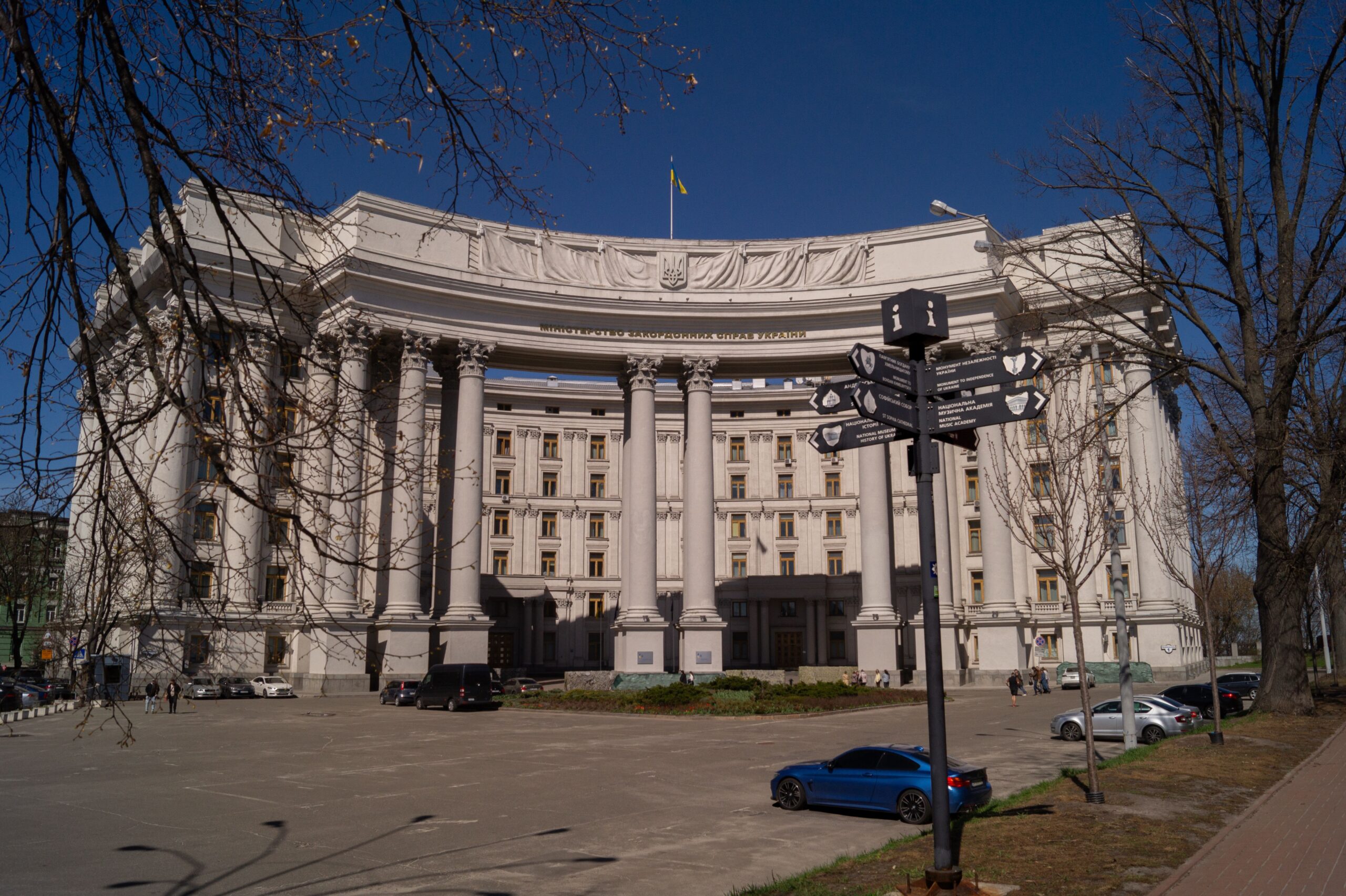
Ukrainian President Volodymyr Zelenskyy has appointed National Security and Defence Council Secretary Ihor Klymenko to lead the country’s National Cybersecurity Coordination Center.
-
European grid groups call for integrated resilience
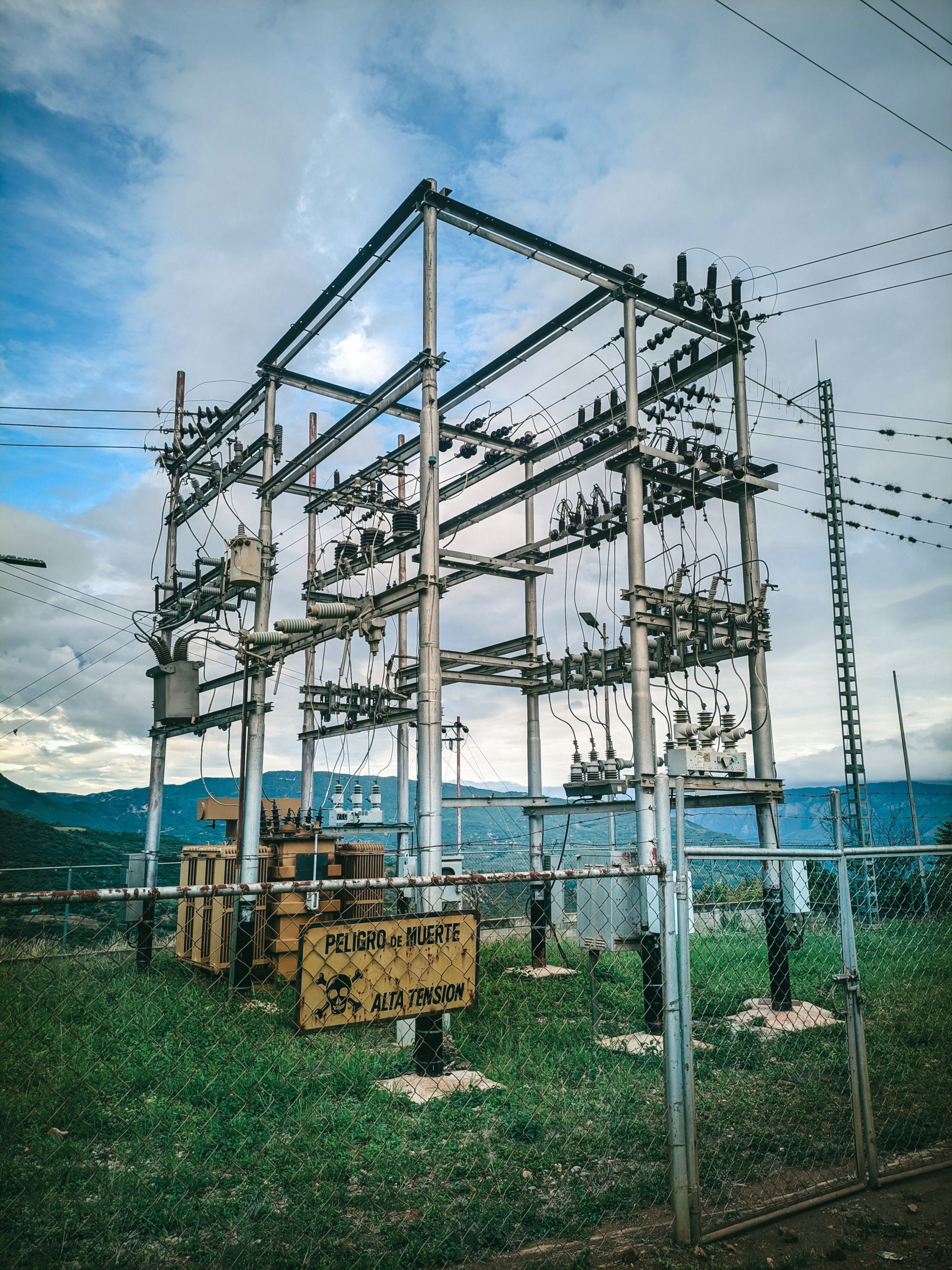
European electricity bodies are calling for cyber, physical, operational, and supply risks to be managed together as digitalisation creates deeper dependencies across transmission and distribution networks.
-

Ace & Tate confirms CEVA customer data theft
Ace & Tate says customer information was accessed and copied during a breach at logistics provider CEVA, expanding an incident first disclosed as a potential exposure in August.
-

UK cyber pledge reaches 149 signatories
PwC, DXC Technology and Toyota are among new signatories taking the UK’s voluntary Cyber Resilience Pledge to 149 organisations.
-
UK smart meters begin post-quantum planning
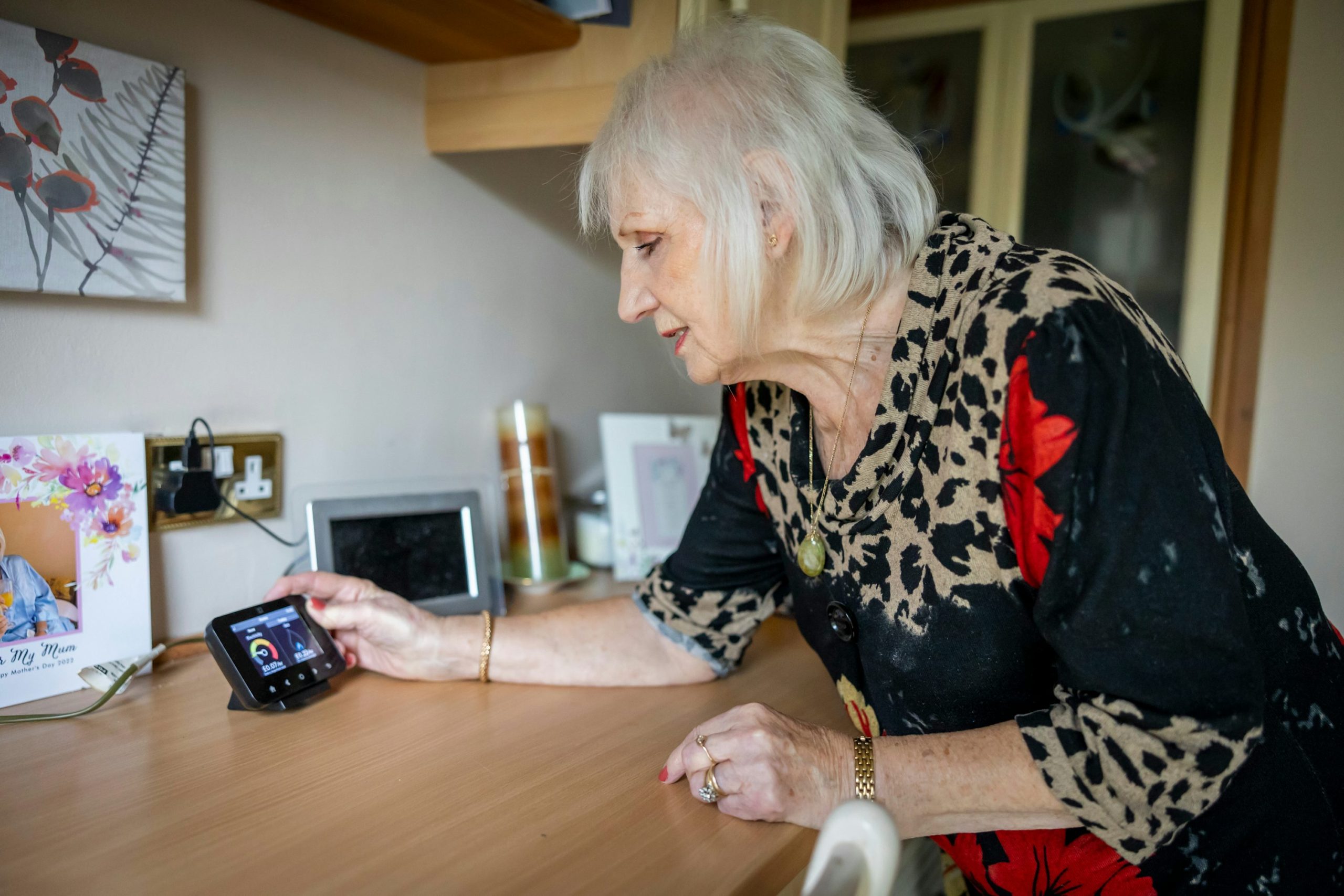
The body governing Great Britain’s smart-metering infrastructure has established a dedicated working group to coordinate post-quantum cryptography preparations across the ecosystem.
-

Thales launches UK-hosted cloud HSMs
Thales has launched UK-hosted cloud hardware security modules, keeping cryptographic-key operations and disaster recovery within Britain for organisations with sovereignty requirements.