Summary
- Stadler said attackers accessed a supplier data exchange platform using compromised login credentials.
- The company said its IT systems, production, personal data, security-relevant data, and rail vehicles were not affected.
- The incident shows how infrastructure exposure can sit in supplier portals and technical document exchange rather than operational systems.
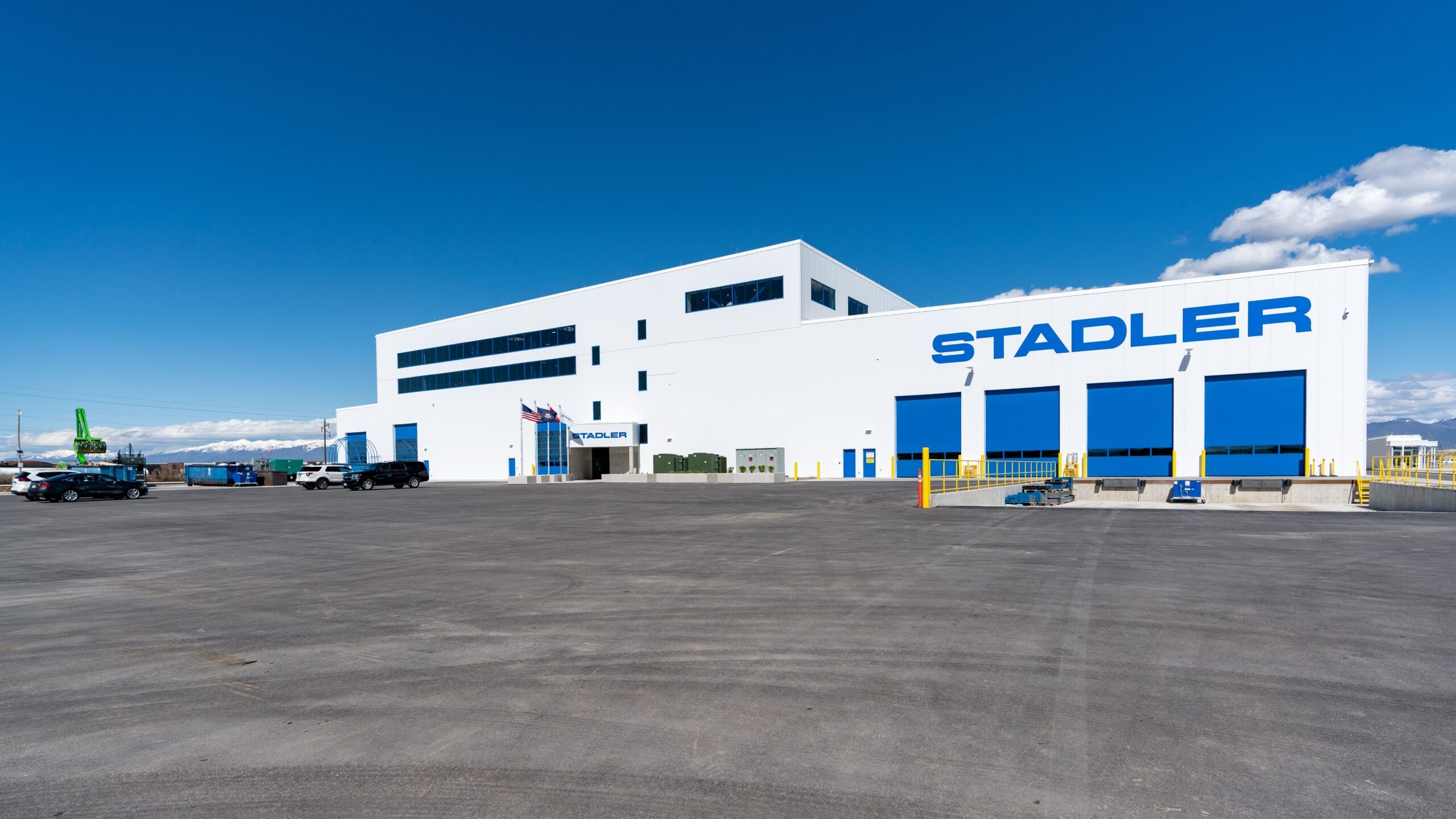
Stadler has said a cyberattack involving a supplier data exchange platform led to access to specific technical data, while its own IT systems, production, personal data, security-relevant information, and rail vehicles were not affected.
The incident involved compromised login credentials for a platform used to exchange data with suppliers. Stadler said cybercriminals gained access to specific technical information through that route, but did not compromise the company’s internal IT environment. Production continued, and the company said rail vehicles operating worldwide were not affected by the data theft.
The reported access route places the incident in an important part of infrastructure security: shared systems that sit around operational environments rather than inside them. Rail manufacturers, operators, component suppliers, engineering partners, and maintenance providers rely on data exchange platforms to move drawings, specifications, configuration material, maintenance information, and project records. Those systems may not control trains or factories, but they can still hold information with commercial, safety, or security relevance.
Stadler’s statement that the data was technical but not security-relevant is an important limit on the story. The incident should not be described as an operational technology compromise, and there is no evidence in the available reporting that railway services or vehicle safety were affected. The exposure sits instead in access governance, technical data classification, and supplier platform control.
Compromised credentials remain a persistent route into shared infrastructure. Attackers do not need to breach a manufacturer’s core network if they can log into a supplier portal with valid credentials and extract useful documents. Multifactor authentication, least privilege, account monitoring, conditional access, supplier offboarding, and anomaly detection become part of infrastructure resilience when portals carry technical material.
The supplier dimension also affects incident response. Where a platform is operated or accessed by third parties, the organisation at the centre of the incident may depend on supplier logs, contractual notification duties, and forensic cooperation to understand what happened. Those arrangements need to be set before a breach, not negotiated during one.
Transport manufacturing is especially dependent on shared engineering ecosystems. A single vehicle or subsystem may involve software vendors, hardware suppliers, maintenance contractors, design partners, and integrators across multiple countries. Technical documentation moves between them for legitimate reasons, but the controls around that movement often receive less attention than systems directly associated with production or operations.
Stadler has reportedly filed a criminal complaint and said it does not intend to pay a ransom demand. The alleged involvement of Everest Group remains an attacker claim in the available reporting, and the full dataset has not been independently assessed in public.
The incident gives rail and other infrastructure sectors a measured case to examine. Operational systems can remain intact while supplier portals still create exposure. Technical data, credentials, and third-party access paths need to be governed with the same seriousness as the systems they support.