
Data & infrastructure
-

Kyivstar strike tests telecoms resilience
A Russian strike damaged Kyivstar’s headquarters as Ukraine faced further attacks on communications and data infrastructure, exposing the physical dependencies behind digital-service resilience.
-

Mandiant warns attackers are targeting build pipelines
Mandiant says recent campaigns increasingly target developer tools, security scanners, CI/CD systems, and trusted software-delivery mechanisms rather than finished applications alone.
-

SharePoint flaw moves into active exploitation
Canada’s Cyber Centre has warned that attackers are exploiting CVE-2026-65660, a SharePoint code-injection flaw Microsoft patched in August.
-

Check Point confirms exploitation of two flaws
Check Point has confirmed exploitation of two critical pre-authentication vulnerabilities affecting its gateway and management products, including a management flaw used before disclosure.
-
RouterOS chain gave attackers unauthenticated admin access
CERT Polska has detailed two RouterOS vulnerabilities that can be chained to obtain full administrative-console access without completing SSH authentication.
-

Proofpoint joins AI and data controls
Proofpoint has announced a system intended to connect AI behaviour, data access, identity, and business intent, with key capabilities expected to become available by the end of 2026.
-

Darktrace expands controls for enterprise AI
Darktrace has made SECURE AI generally available, extending its behavioural monitoring into shadow AI, prompts, AI identities, and enterprise policy enforcement.
-

Civo starts 40-site UK edge build
Civo has begun fitting out the first of 40 planned UK edge data centres, proposing a one-gigawatt network for sovereign AI inference and distributed compute.
-

EU cyber rules move into standards
ETSI and European Commission officials are tightening their work on cybersecurity and technology standards as Europe’s digital rules move from legislation into technical implementation.
-
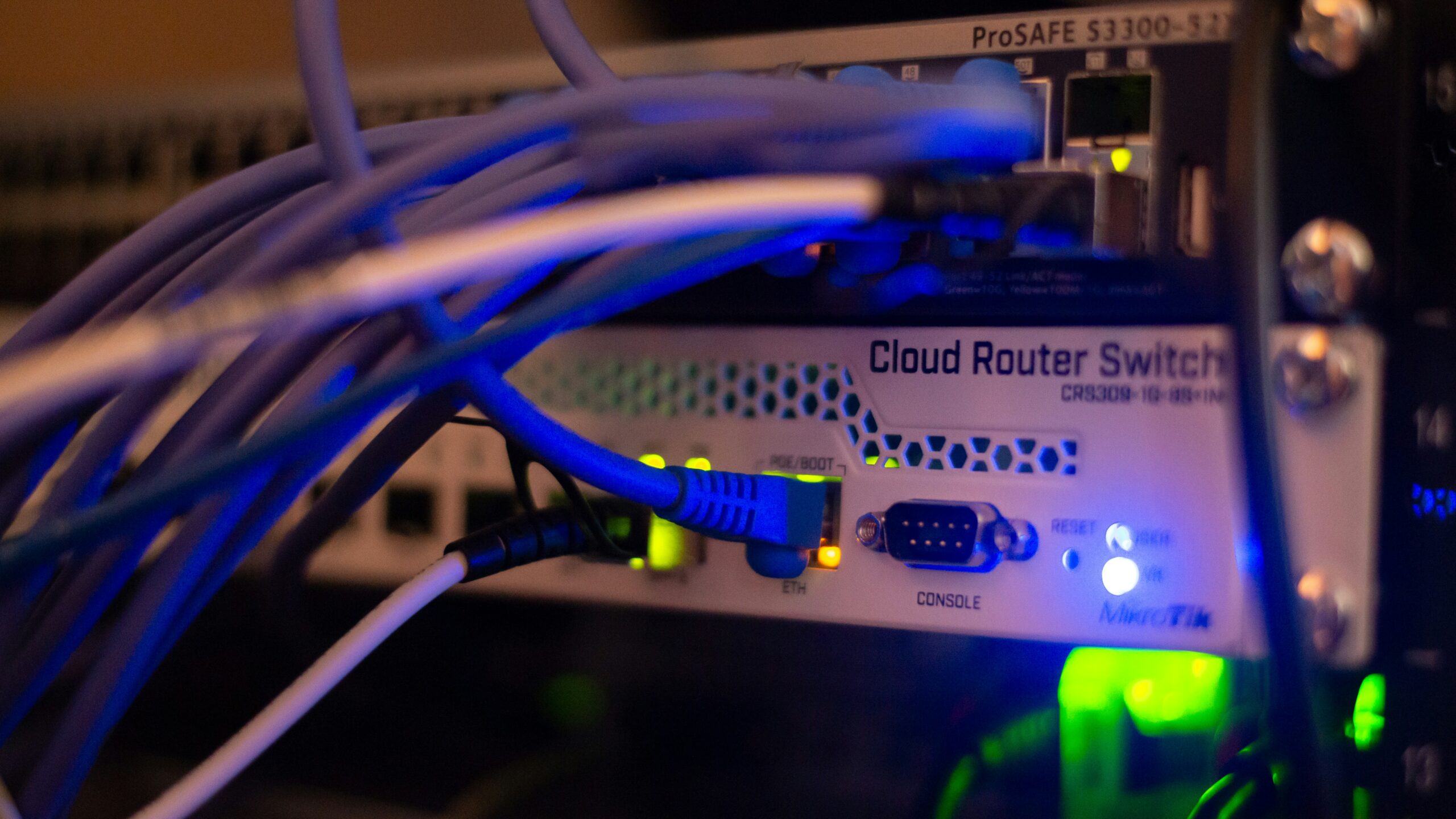
F5 flaw exploited against exposed access systems
F5 has confirmed exploitation of a critical BIG-IP APM vulnerability that can allow unauthenticated remote code execution in specific OAuth server configurations.