
Summary
- Attackers encrypted central corporate IT at Stadtwerke Landsberg during the night leading into 1 September.
- Electricity, water, wastewater, district heating, fibre, charging infrastructure, and other services continued operating.
- The utility cannot yet rule out access to or theft of personal data while affected administrative systems are rebuilt.
A Bavarian municipal utility kept electricity, water, district heating, fibre, and other services operating after attackers encrypted central corporate IT, leaving the organisation to rebuild administrative systems without a reported interruption to essential supply.
Stadtwerke Landsberg said the attack took place during the night leading into 1 September. The operator disconnected internet links, shut down affected systems, activated its crisis organisation, and brought in external cybersecurity and forensic specialists.
The utility said electricity distribution, water supply, wastewater treatment, district heating, fibre services, electric-vehicle charging infrastructure, its swimming facility, and car parks continued to operate. Customer communications and administrative functions were affected more directly.
The split between corporate disruption and continued utility operation provides a useful measure of resilience. An infrastructure incident does not need to interrupt electricity or water to create a substantial operational burden: billing, customer support, procurement, contracting, employee communications, and other processes can depend heavily on corporate IT.
Stadtwerke Landsberg activated prepared alternative procedures while affected systems were rebuilt. Customer enquiries and contracting continued with restrictions, while phone and email availability remained limited during recovery.
The forensic investigation has not yet established whether personal data was accessed or removed. The utility has said unauthorised access or exfiltration cannot be ruled out and issued precautionary information to customers under the General Data Protection Regulation.
Potentially affected information includes contact and financial details processed within the organisation. That does not establish that every category was stolen; the continuing investigation is intended to determine what an attacker actually reached and whether data left the environment.
No threat actor has been publicly identified by the utility. The confirmed event is therefore an attack that encrypted central IT rather than a ransomware attribution that has been independently established.
The continued availability of operational services also needs to be described carefully. It shows that the incident did not produce a reported outage across those services. It does not, on its own, demonstrate that every operational system was technically isolated from every affected corporate environment or that no route towards operational technology existed.
What it does show is that the organisation was able to contain substantial disruption inside one part of the business without allowing it to stop the services on which residents depend.
That separation is central to resilience planning for utilities. Corporate and operational environments can have different recovery objectives, maintenance requirements, remote-access arrangements, identity systems, and supplier dependencies. An emergency response may deliberately take business systems offline for days while operational systems must continue running.
The decision to sever connectivity and shut systems down demonstrates the cost attached to effective containment. Those measures can reduce an attacker’s opportunities and preserve forensic evidence, but they also remove normal business capabilities. Alternative processes determine whether the organisation can still communicate, contract, bill, and support customers while systems remain unavailable.
Municipal utilities face a particular version of that problem. They can combine electricity, water, heating, telecommunications, transport-related infrastructure, and public services inside comparatively compact organisations, concentrating a wide range of critical dependencies without the resources of a national infrastructure operator.
European resilience requirements are also raising expectations around incident management and reporting. NIS2 and national implementation measures increasingly place the emphasis on continuity, governance, and the ability to manage disruption rather than treating cybersecurity solely as prevention.
Stadtwerke Landsberg’s recovery is still incomplete, and the potential exposure of personal data remains unresolved. The strongest outcome so far is narrower: central IT was encrypted, yet the utility’s principal infrastructure services continued operating while the affected environment was isolated and rebuilt.
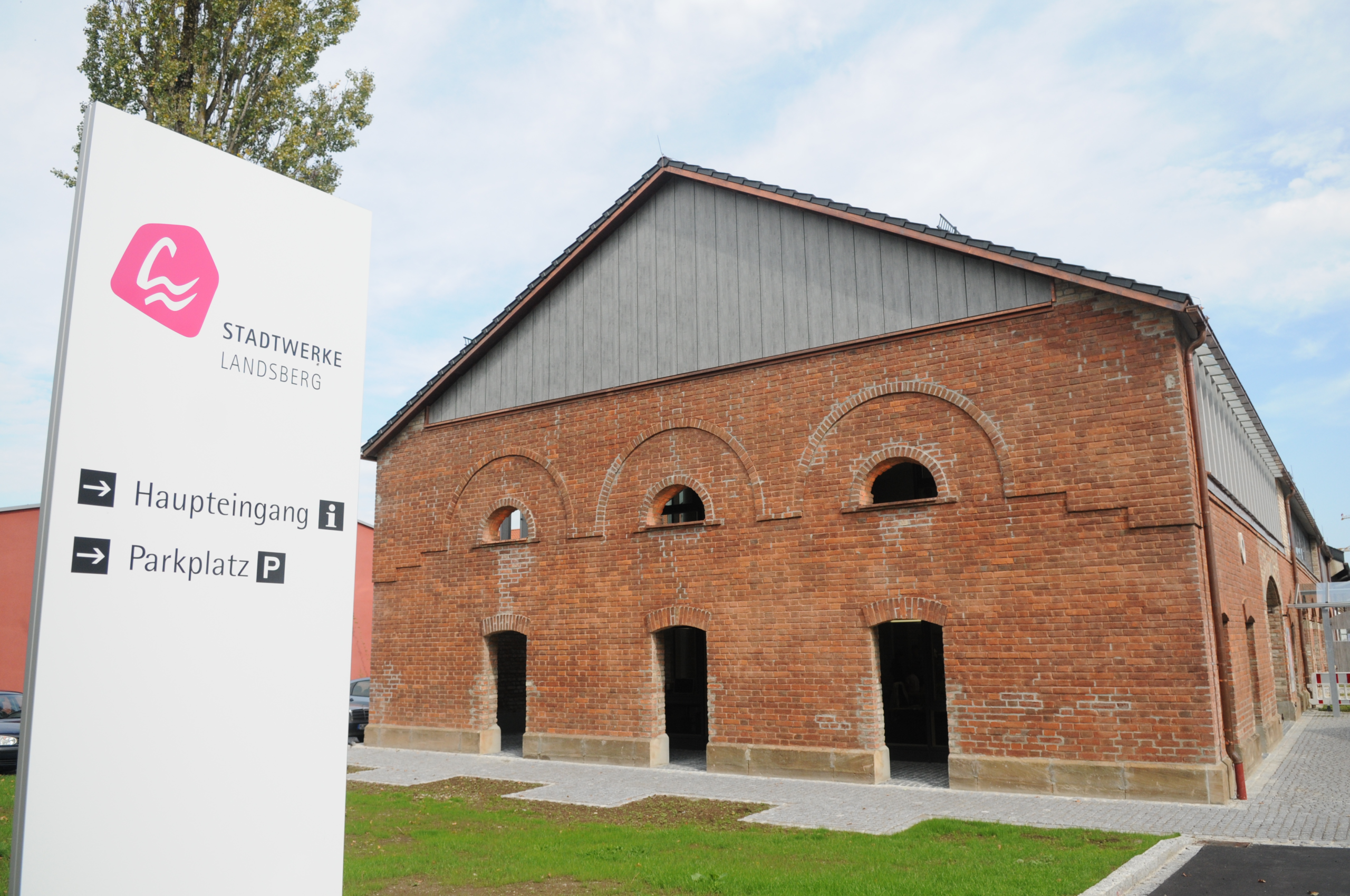
Featured image: Stadtwerke Landsberg KU.



