
Summary
- Ukraine’s HUR says a Cyber Corps operation disrupted Wildberries customer-service and payment infrastructure on 10–11 August.
- The claimed cyberattack coincided with a wider Ukrainian campaign against the retailer’s warehouses and logistics network.
- Wildberries has not publicly provided a detailed technical account, so the full scale and duration of the alleged disruption remain unclear.
Ukraine’s military intelligence has claimed responsibility for a cyberattack against Wildberries, Russia’s largest online marketplace, saying the operation disrupted customer-service and payment infrastructure while physical strikes were also hitting the retailer’s logistics network.
Ukraine’s Main Intelligence Directorate, known as HUR, said members of the Cyber Corps community carried out the operation on 10 and 11 August. According to the agency, the attack affected Wildberries’ main remote customer-service channel, placed additional pressure on contact centres, and partially destabilised payment systems.
HUR said customers reported being unable to complete payments during the disruption. Those claims have not been independently verified, and Wildberries had not publicly provided a detailed technical account of the incident when the operation was disclosed.
The Ukrainian agency described the cyberattack as part of a wider effort to increase pressure on Wildberries alongside strikes against its warehouses and logistics facilities. Ukraine has accused the retailer of supporting Russia’s war effort through its economic role and the availability of some military or dual-use goods on the marketplace.
Wildberries has previously rejected the characterisation of its operations as a legitimate military target. The company’s founder, Tatyana Kim, has described Ukrainian attacks on the retailer’s facilities as attacks on civilians and businesses, arguing that the marketplace primarily handles ordinary consumer products.
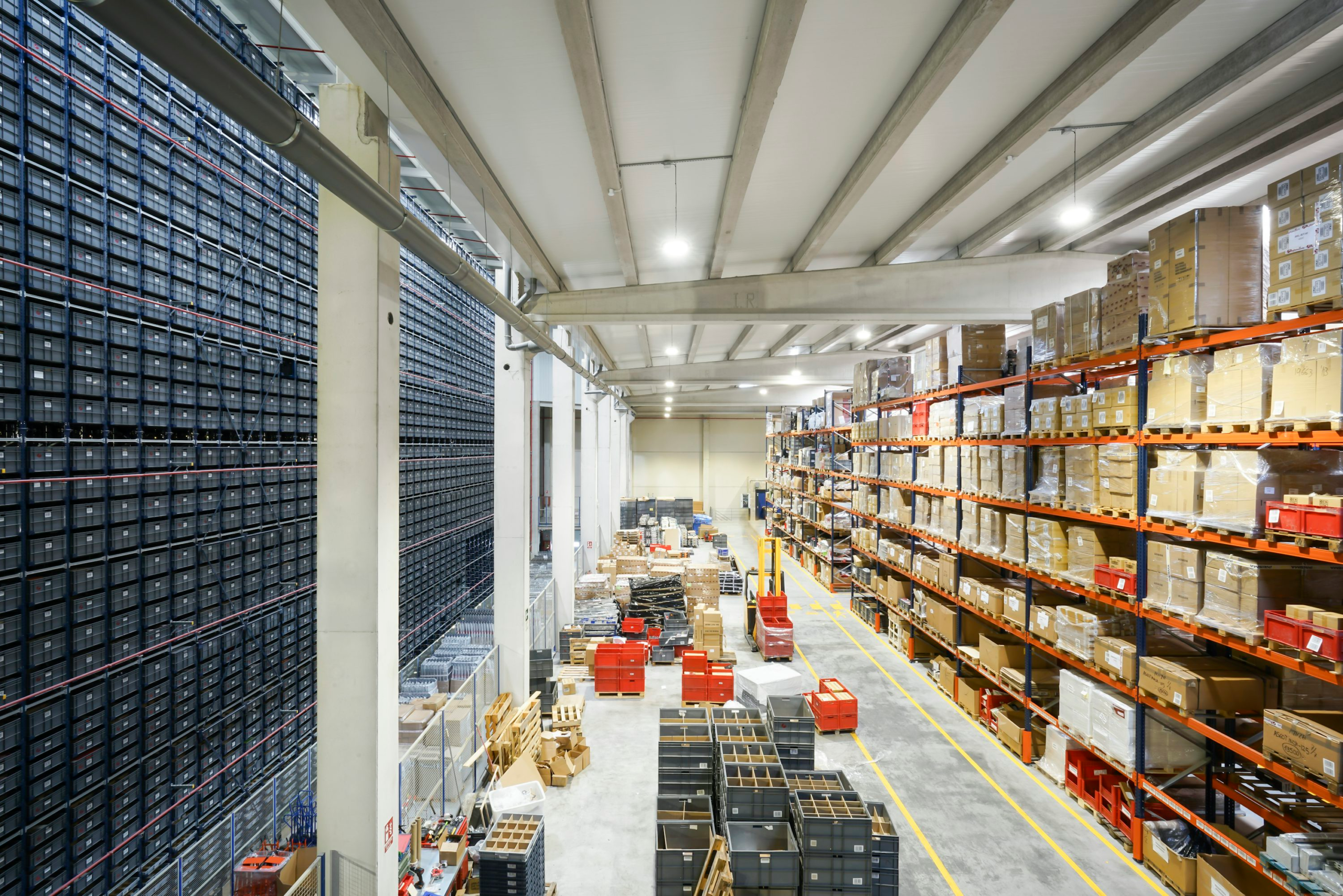
The cyber claim arrived amid a broader Ukrainian campaign against Wildberries logistics infrastructure. Physical attacks have damaged or disrupted multiple warehouse sites across Russia, including facilities around Moscow, creating pressure on stock, sellers, delivery networks, and the company’s ability to reroute operations.
Digital and physical disruption converge
The Wildberries case illustrates how cyber operations can be used alongside physical attacks to amplify operational pressure on a large commercial network. A logistics company may be able to reroute goods around damaged warehouses, but disruption to payment, customer-service, or coordination systems can constrain the same recovery effort from a different direction.
Large e-commerce platforms depend on tightly connected digital and physical systems. Warehouses, seller portals, inventory records, payment services, customer accounts, transport planning, and contact centres all depend on shared data and communications. Disruption in one layer can therefore propagate into another even where the underlying systems remain technically separate.
That interdependence also complicates attribution and impact assessment. A customer unable to complete a purchase may be affected by a cyber incident, a service overload, a payment-provider problem, or disruption caused by damage elsewhere in the logistics network. Without detailed technical disclosure from the company, the precise scale and duration of the alleged cyber effect remain unclear.
HUR’s claim should therefore be treated as an attributed statement rather than independent confirmation of the full operational impact. Ukraine has publicly acknowledged cyber operations against Russian government, industrial, and commercial targets throughout the war, but the details of individual campaigns are often disclosed selectively and can be difficult to verify externally.
The targeting of a mass-market retailer also raises a different set of consequences from attacks on explicitly military infrastructure. Wildberries serves consumers and a large population of independent sellers, so disruption can affect businesses and individuals with no direct role in the conflict.
At the same time, Ukraine’s strategy reflects the increasingly blurred boundary between commercial logistics and national economic resilience during wartime. Large distribution networks can support ordinary civilian trade while also carrying goods that have military relevance, creating disputes over how they should be treated and what level of disruption is proportionate.
The cyberattack claim adds another layer to that contest. If HUR’s account is accurate, the operation was designed not simply to breach a company but to interfere with the digital services that keep a national-scale retail network functioning while its physical infrastructure was already under pressure.



