
Threats & incidents
-

Apollo breach exposes cloud identity risk
Apollo Global Management says a social-engineering incident gave attackers access to cloud platforms for several days and exposed sensitive personal information.
-
Oracle flaw moves into active exploitation
A critical Oracle HTTP Server and WebLogic proxy vulnerability first patched in January is now confirmed as actively exploited and has entered CISA’s priority catalogue.
-

Zimbra flaw moves into active exploitation
Attackers are exploiting a Zimbra Collaboration command-injection vulnerability that can allow unauthenticated remote command execution on servers with specific SNMP functionality enabled.
-
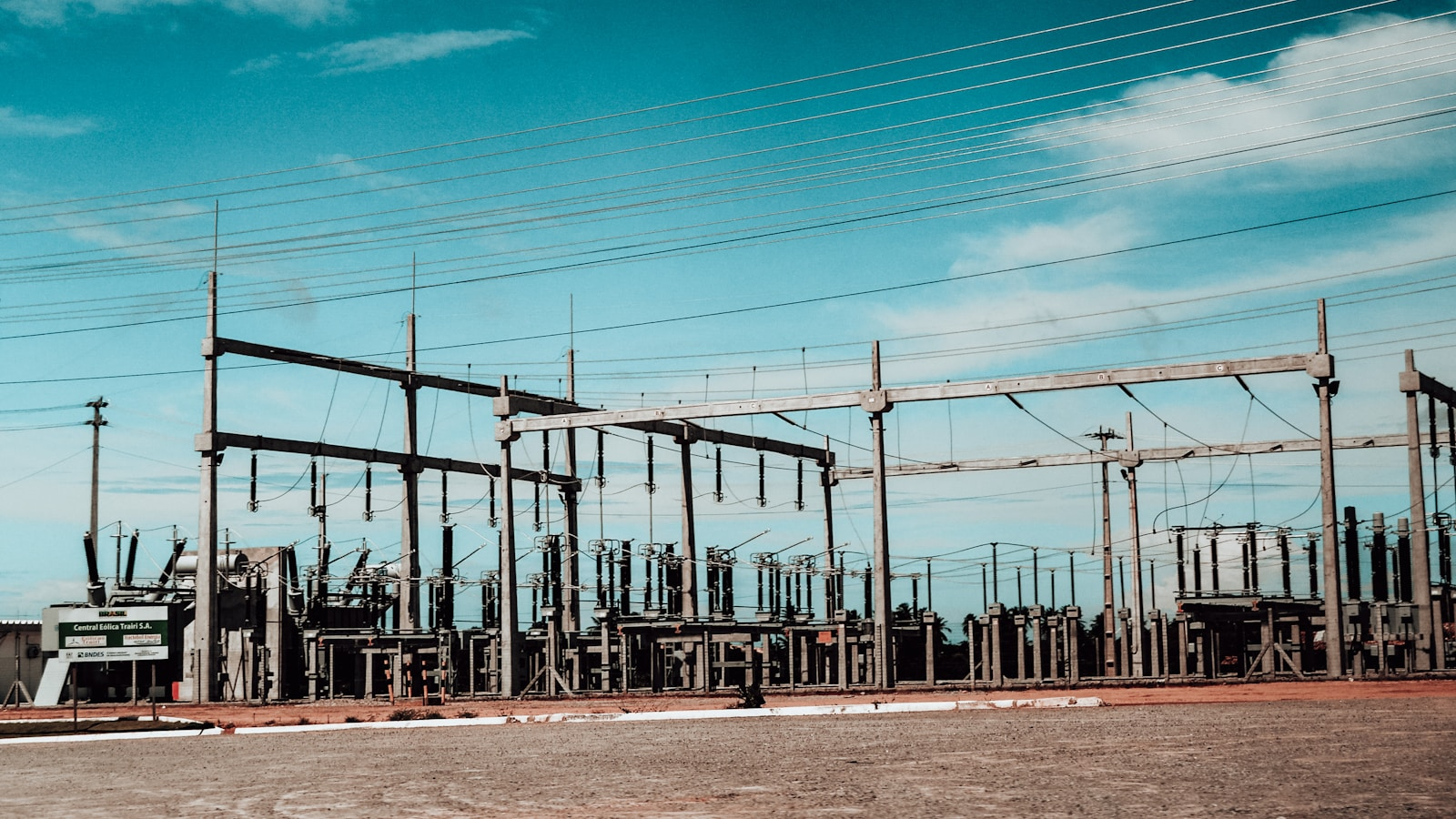
Cyberattack shuts UK generator for four days
A cyber incident forced a small UK electricity generator offline for four days, although the government says there was no threat to the wider energy system.
-

Industrial ransomware rises across most regions
Kaspersky telemetry shows ransomware detections rising across most industrial regions in Q2 2026 even as the overall share of ICS computers encountering malicious objects declined.
-

Swiss cyber reporting exposes enterprise attack patterns
Switzerland received 200 mandatory critical-infrastructure cyber reports in the first half of 2026, alongside rising Microsoft 365 phishing and persistent ransomware activity.
-

DDoS attack strains Norway’s shared digital services
A prolonged DDoS attack against Norway’s shared government infrastructure disrupted access to multiple digital services, again testing the resilience of systems used across the public sector.
-

Claude Code enters ransomware operations
Threat research has linked Claude Code to an active ransomware operator using AI across reconnaissance, credential theft, persistence and data-exfiltration work.
-

Power Pages exposure linked to 27m records
Researchers have linked a 27-million-record data exposure to publicly readable Microsoft Power Pages and Dataverse configurations rather than a confirmed zero-day.
-

Alation investigates unauthorised access
Enterprise data platform Alation is investigating unauthorised activity in one of its systems, with the extent of any customer or data impact still unknown.