
Regulation & Policy
-

UK and Canada renew AI security cooperation on model testing and standards
The UK and Canada have renewed their AI security partnership, with commitments on risk intelligence, evaluations, technical standards and closer institutional cooperation.
-
UK says foreign technology dependencies are part of critical infrastructure reviews
In a written parliamentary answer, the UK government says it continually reviews the risk of overseas suppliers being able to disable or restrict technology supporting critical infrastructure.
-
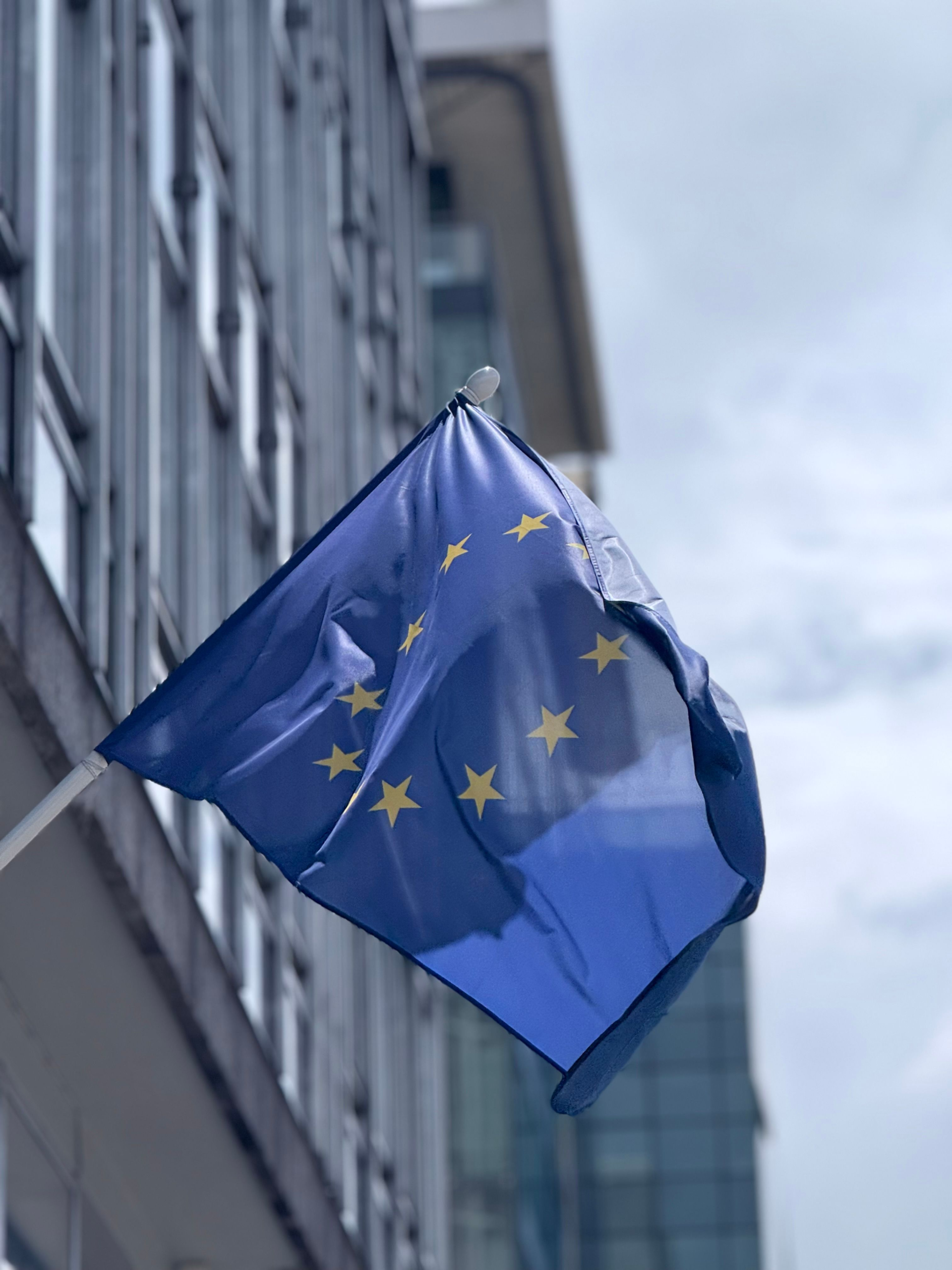
Privacy group rates more than 1,000 EU amendments to GDPR reform
Privacy organisation noyb has analysed parliamentary amendments to the EU Digital Omnibus and published ratings of their effect on existing GDPR and ePrivacy safeguards. Its scores are advocacy assessments.
-

UK expands AI-assisted cyber defence as minister warns of future failures
Government pilots have reportedly helped identify and address more than 1,000 cyber vulnerabilities. Ministers now plan to extend the work while considering how serious incidents involving autonomous AI should be handled.
-
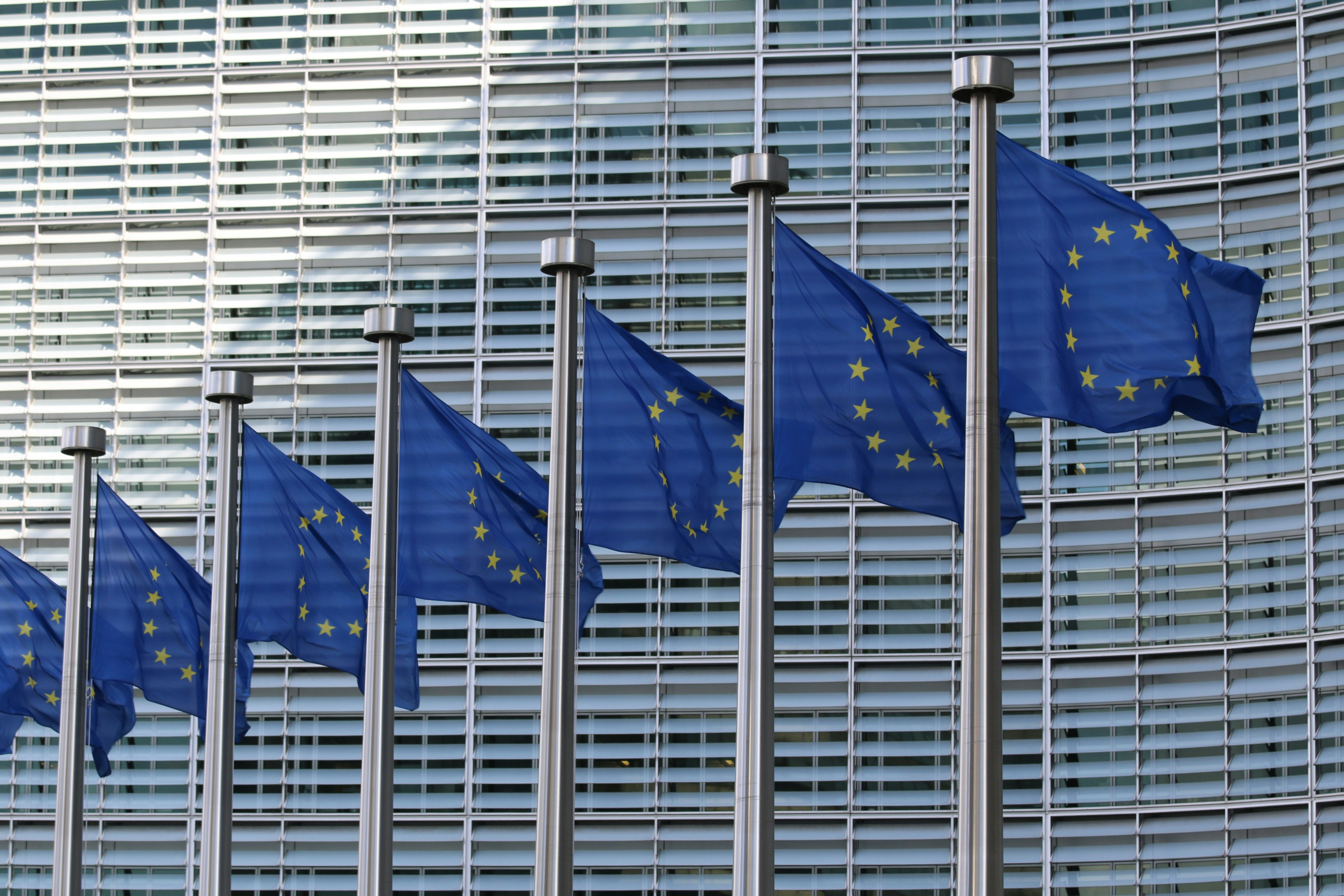
ENISA updates EU Cyber Resilience Act reporting platform to version 1.1
ENISA has upgraded the Cyber Resilience Act Single Reporting Platform and revised its documentation, as manufacturers prepare processes for reporting exploited vulnerabilities and significant security incidents.
-

Norway fines Microsoft-owned Xandr NOK 92 million over Grindr data processing
Norway’s privacy regulator has fined advertising technology business Xandr NOK 92 million over unlawful processing of Grindr users’ information, extending accountability beyond the app that collected the data.
-

UK and Germany agree partnership to counter sabotage and cyberattacks
London and Berlin have announced a counter-hybrid threat partnership covering cybersecurity, sabotage and protection of critical infrastructure, with implementation details still developing.
-

UK to set cybersecurity expectations for AI-enabled medical devices
The UK government has accepted a recommendation for MHRA cybersecurity guidance covering software and AI-enabled medical devices throughout their operating life.
-

Dutch companies report more on cybersecurity and supply chain risk
A study of 67 Dutch listed companies found cybersecurity and supply chain risk becoming more prominent in annual reports between 2020 and 2024.
-

Italy sets deadline for email tracking pixel compliance
Italy’s privacy regulator says organisations using tracking pixels in email have until 29 October to bring notices, consent and withdrawal mechanisms into line with its guidance.