
News
-

AI gains collide with workflow governance fears
Perforce’s latest workflow survey finds strong AI productivity gains alongside persistent concerns over job security, content quality, compliance, and visibility into AI-generated changes.
-

GitLab patches critical GraphQL flaw
GitLab has issued an out-of-band patch for a critical GraphQL vulnerability that could let unauthenticated attackers modify or delete public projects and user data on self-managed instances.
-
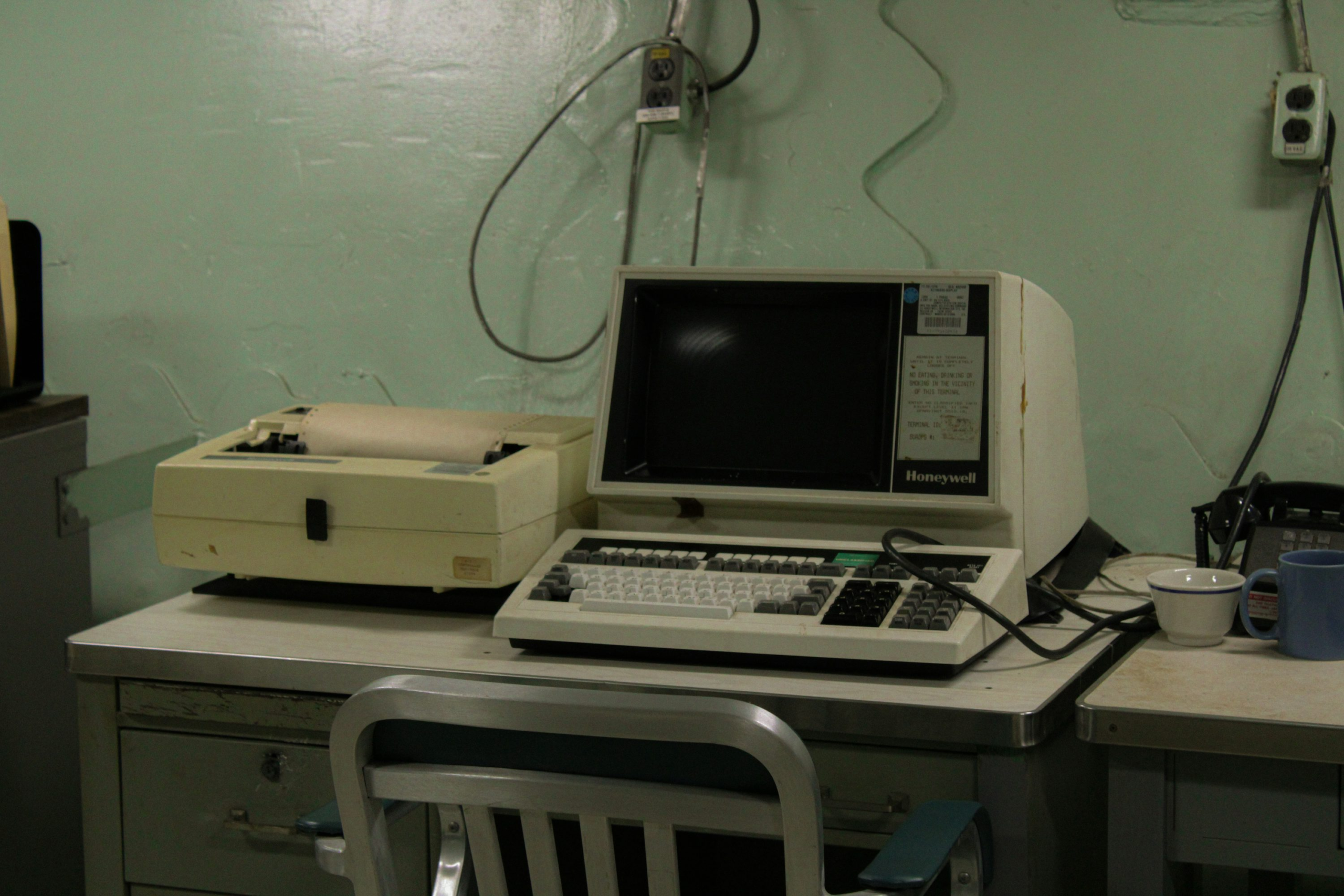
Microsoft begins final WMIC removal
Microsoft is moving into the final removal phase for the legacy WMIC command-line utility, forcing remaining scripts and administrative workflows onto supported Windows management interfaces.
-

Ray flaw moves into active exploitation
CISA has added a critical Ray code-injection flaw to its exploited-vulnerability catalogue after evidence of real-world attacks against the distributed computing framework.
-

Medusa victim count passes 500
An updated US government advisory says Medusa ransomware actors had affected more than 500 victims by April 2026, while Microsoft documents rapid exploitation of exposed enterprise systems.
-

Windows flaw joins ransomware attack chains
CISA says ransomware operators are exploiting a patched Windows Task Host privilege-escalation flaw, adding another known vulnerability to attack chains against Windows environments.
-

NETSCOUT pushes DDoS defence to source
NETSCOUT is extending DDoS mitigation into service-provider networks so compromised subscriber devices can be suppressed closer to the source before attack traffic reaches wider internet infrastructure.
-

Cyberattack hits Ukraine asset agency
Ukraine’s asset recovery agency says its servers were hit by a cyberattack as it prepared a sensitive management tender involving seized assets linked to a sanctioned Russian businessman.
-

Swiss ransomware trial tests digital evidence
Swiss prosecutors are seeking a 12-year sentence in a ransomware case where the defendant disputes his alleged role and the handling of seized digital evidence.
-

Pokémon joins CEVA breach fallout
Pokémon Center customers in the UK and Germany are the latest downstream victims of CEVA Logistics’ cyberattack, with personal data exposed and some orders disrupted.