Summary
- Christine Lagarde says Europe could become vulnerable if access to foreign AI technology is disrupted.
- Europe already lacks sufficient data-centre capacity, with the shortfall expected to increase sharply over the next decade.
- AI dependence is becoming an infrastructure and resilience issue spanning compute, models, capital, and essential services.
Europe’s dependence on foreign artificial intelligence could become an economy-wide resilience risk as the technology spreads into banking, transport, healthcare, border control, and other essential functions, European Central Bank President Christine Lagarde has warned.
The European Central Bank president said Europe remains heavily reliant on imported AI technology, leaving the region exposed if geopolitical or commercial changes affect access to systems that become embedded across its economy.
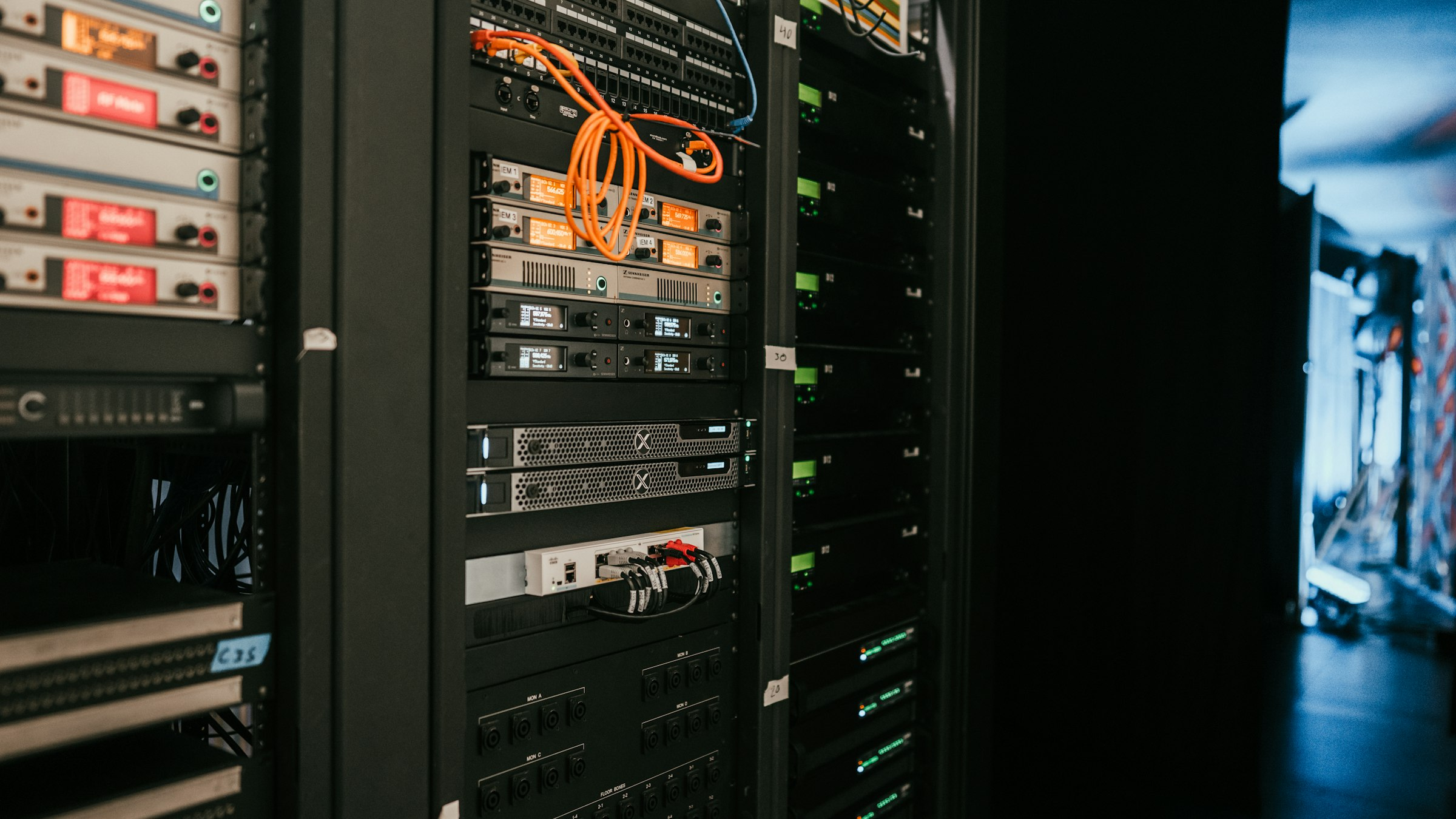
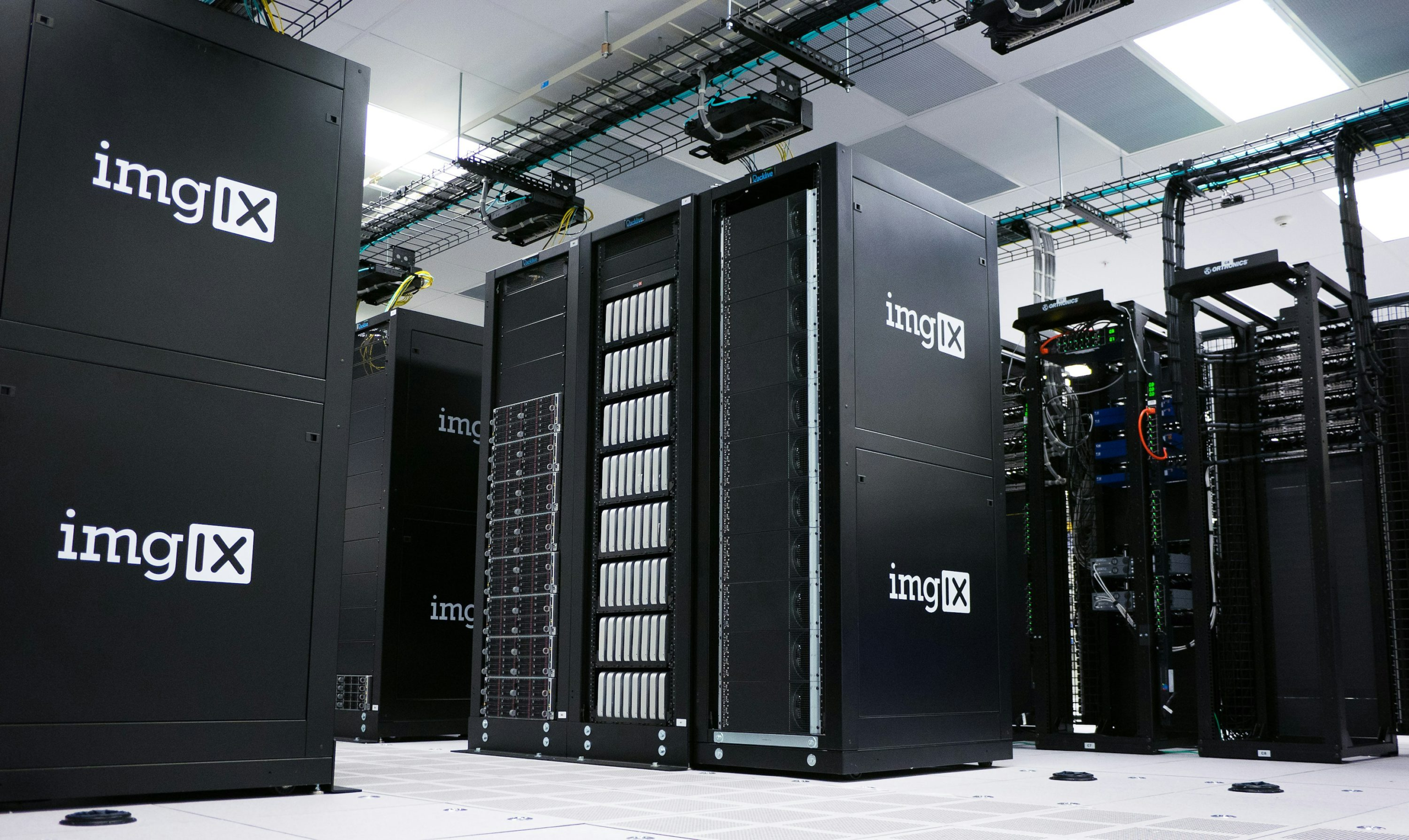
Speaking in Vienna, Lagarde argued that Europe needs substantially more domestic computing capacity as well as AI models capable of running on European infrastructure. She said the region already lacks sufficient data-centre capacity and warned that the shortfall is expected to increase more than sixfold over the next decade if current trends continue.
The warning places AI inside a broader European debate over technological sovereignty. Cyber Insider recently reported on French and Dutch efforts to strengthen European cloud-sovereignty protections, where infrastructure ownership, jurisdiction, procurement, and dependency on non-European providers are increasingly being treated as resilience concerns rather than simply industrial policy.
AI expands that dependency problem beyond conventional cloud hosting. Training and running advanced systems requires specialised chips, dense computing infrastructure, power, networks, model intellectual property, and large amounts of capital. Dependence at any of those layers can influence the availability or economics of the services built above them.
The consequences increase as AI moves from experimentation into operational processes. An organisation using an overseas model for low-risk document summarisation has a different exposure from a bank embedding AI into financial operations or a transport operator making the technology part of essential scheduling and decision-making.
The more deeply a system becomes integrated into operational workflows, the harder it is to replace quickly if commercial, technical, legal, or geopolitical conditions change.
European sovereignty policy has often concentrated on where data is stored and which jurisdiction can compel access to it. AI adds questions over who owns the models, where inference is performed, who controls software updates and capacity allocation, and whether customers retain practical alternatives if access is restricted.
Building European capacity will not be solved simply by constructing more data centres. Electricity supply, planning, network capacity, hardware availability, financing, and skills all constrain expansion. European organisations can also remain dependent on non-European technology even where the physical infrastructure is located inside the bloc.
The resulting resilience problem resembles other forms of concentrated third-party dependency. Organisations may diversify providers or preserve fallback capability, but those measures have limits where the underlying technology market remains concentrated among a relatively small number of suppliers.
Lagarde’s intervention places that dependency inside European economic policy as well as technology regulation. If AI develops into a general-purpose layer across essential services, access to models and compute becomes part of Europe’s ability to keep core economic functions operating on terms it can influence.