Summary
- Attackers interfered with refrigeration settings at three French blood-service sites.
- Monitoring and alarms allowed personnel to protect or transfer stored plasma without reported losses.
- The incident exposed a healthcare dependency on connected equipment supplied and maintained by third parties.
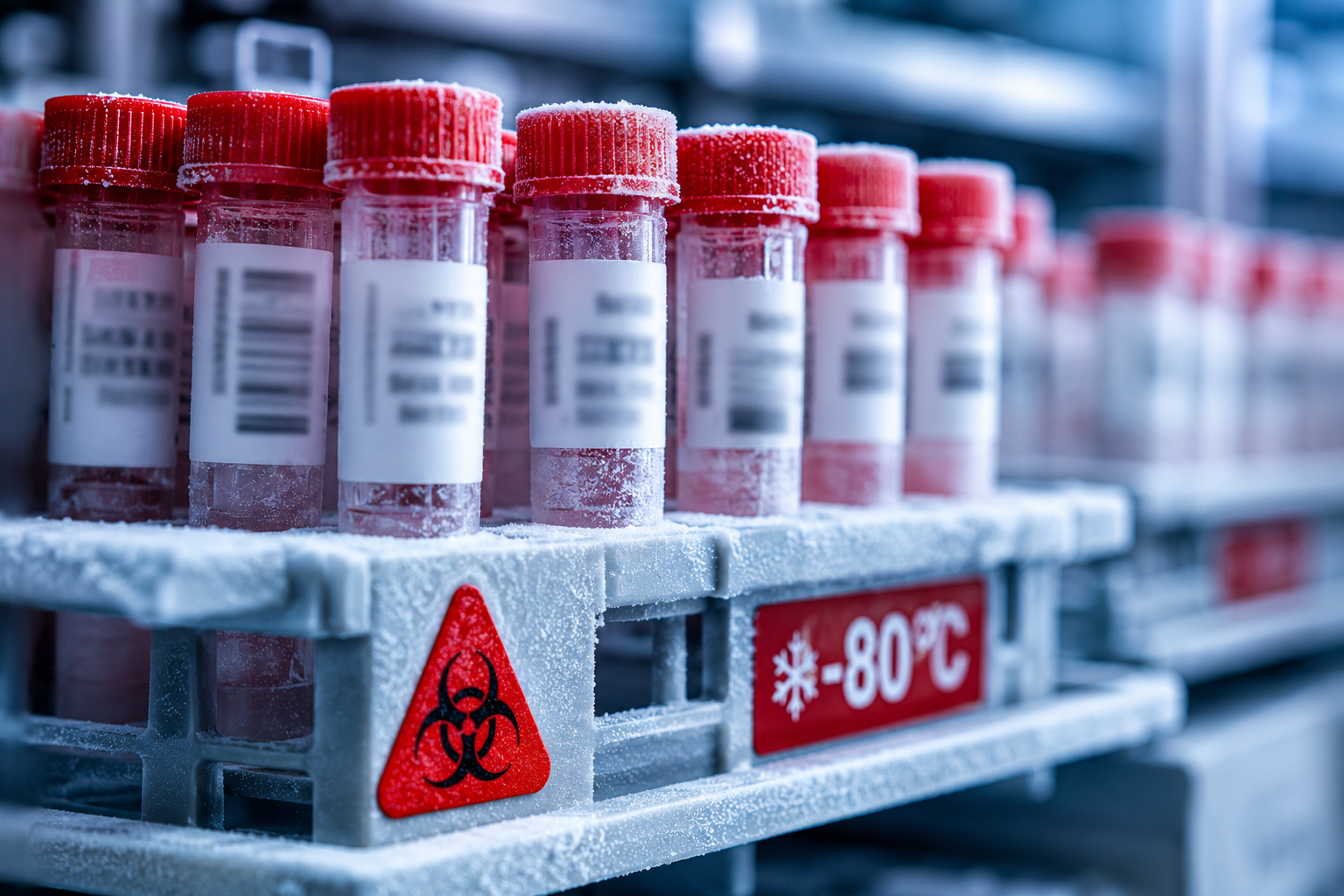
France’s national blood service prevented reported losses of blood products after attackers interfered with refrigeration controls at three plasma storage facilities, with monitoring and alarm systems detecting abnormal settings before stored material was damaged.
The Établissement Français du Sang (EFS) confirmed that temperature and defrost thresholds had been raised to extremely high levels during an incident on Monday, 2 November.
The interference affected refrigeration equipment supplied by an external provider. The organisation did not report a compromise of its wider clinical systems or identify the individuals responsible.
EFS said staff responded to the alarms by securing affected equipment or transferring stored products. No blood products or samples were reported lost, and the organisation identified no resulting health consequences.
Blood collection and distribution continued without interruption, maintaining services to healthcare providers dependent on the national blood supply.
The incident occurred alongside cyberattacks affecting commercial refrigeration equipment at supermarkets across Europe. Although the attacks share operational characteristics, investigators have not publicly established that every affected system was compromised through an identical mechanism.
Independent controls protect clinical supplies
Blood products require controlled conditions throughout collection, preparation, storage, and distribution. Their suitability for clinical use depends on maintaining appropriate temperatures and recording any deviations that may affect quality.
The EFS facilities involved stored plasma for transfusion and for manufacturing medicinal products. An incident affecting these supplies can therefore have consequences beyond a temporary equipment malfunction, particularly if material must be quarantined, inspected, or discarded.
The attempted manipulation did not produce those reported losses. Monitoring and alarms detected the abnormal control settings, enabling staff to intervene before the integrity of stored products was compromised.
That outcome illustrates the operational value of separating monitoring and protective functions from the systems used to administer equipment. Where an attacker can alter a supervisory setting, a separate means of identifying unacceptable conditions can provide time for personnel to act.
Alarms alone are insufficient without an effective response. Protecting the stored plasma also depended on staff availability, established handling procedures, and the ability to secure equipment or move products to alternative storage.
Such arrangements can limit the consequences of an intrusion even when the original point of unauthorised access has not yet been fully understood.
Monitoring and alarm data can also provide records for reviewing storage conditions after an incident. EFS has not explained whether its monitoring equipment was networked separately from the affected controllers, so the precise technical separation between the compromised functions and the protective systems remains unconfirmed.
Supplier relationships extend healthcare exposure
Hospitals, laboratories, blood services, and pharmaceutical manufacturers depend on equipment that may be maintained by specialist contractors. Refrigeration, environmental monitoring, building controls, and other operational systems can have their own networks, administrative interfaces, and support arrangements.
These dependencies can differ significantly from the systems used to manage patient records or routine business applications. Securing one environment does not establish that equipment operated through a supplier connection has equivalent protections.
The reported involvement of an external refrigeration provider raises questions about the management of remote access, the separation of operational networks, and the arrangements for detecting unauthorised changes to equipment settings.
Where several facilities use similar equipment or maintenance arrangements, a weakness affecting one installation may require assessment across a wider estate. That assessment must distinguish confirmed exposure from the mere presence of a common product or supplier.
Healthcare operators also need reliable evidence about the conditions under which products have been stored. Records from monitoring systems can inform decisions about whether material remains suitable for use after a suspected control-system intrusion.
France’s national cybersecurity agency and Health Ministry are investigating the incident. EFS has not disclosed the exact technical entry point or identified the attackers, while confirming that its blood collection and distribution operations remained uninterrupted.