Summary
- Flight Centre Travel Group believes a significant number of customer records may have been accessed through an external accommodation booking system.
- A very small proportion may contain limited passport details or other sensitive personal information.
- The investigation raises questions over information retention, supplier oversight, and the persistent risks associated with compromised identity documents.
Flight Centre Travel Group is investigating possible access to a significant number of customer records held within an externally operated accommodation booking system, with limited passport details and other sensitive personal information among the data potentially compromised.
In a disclosure to the Australian Securities Exchange on 26 November, Flight Centre Travel Group said it was working with the technology supplier and incident response specialists from Mandiant to establish the extent of the activity and introduce containment measures.
The system is used by Flight Centre, Travel Associates, Cruiseabout, and some independent travel agents. Flight bookings and corporate travel reservations are unaffected, according to the company.
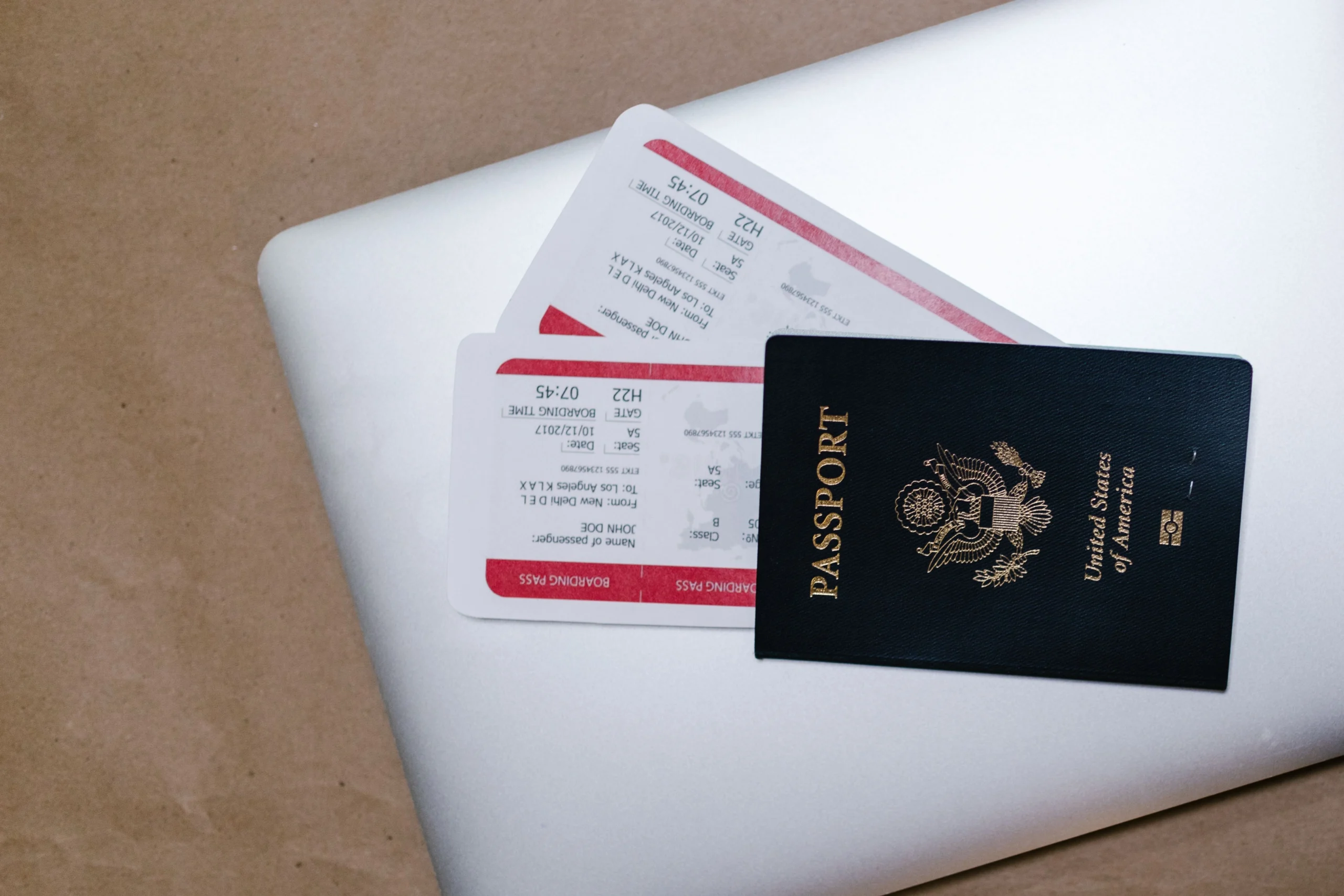
Most of the records potentially accessed contain customer names, with some also including basic travel information. The company believes that a very small proportion may contain limited passport details, contact information, dates of birth, or, in rare cases, health or mobility information.
Flight Centre has not identified evidence of access to payment card or banking information. It has yet to quantify the number of records accessed, establish whether they were extracted, or identify the accommodation booking provider publicly.
Travel records create persistent identity exposure
The potential exposure of passport details creates a different set of recovery considerations from those associated with compromised account credentials. Passwords can usually be replaced promptly, whereas identity documents may remain valid for years and their replacement involves a separate administrative process.
Muhammad Yahya Patel, vCISO and cybersecurity advisor for EMEA at Huntress, said: “Unlike a compromised email address or phone number, a passport can’t be changed easily or quickly. For affected customers, the practical risk extends well beyond the immediate breach.”
Accommodation records can also contain details of actual journeys. Even information that would be relatively unremarkable in isolation may become sensitive when combined with an individual’s identity and contact details, potentially lending credibility to fraudulent communications concerning their reservations.
The possible involvement of health or mobility information introduces a separate privacy concern. Customers may supply those details to arrange appropriate assistance, without expecting them to remain accessible through infrastructure supporting subsequent commercial activities.
The investigation will need to establish which categories of data were involved and whether different customers face materially different consequences.
Shared booking infrastructure concentrates supplier risk
Travel agents use booking platforms to coordinate reservations with accommodation operators and other service providers, frequently across national borders. Those systems may support several brands and independent businesses, allowing information to move between organisations with different contractual and administrative responsibilities.
The use of a common platform can simplify commercial operations while concentrating sensitive records in an environment that individual agents do not directly control.
When suspicious activity is discovered, each affected business may depend on the same supplier for evidence about the circumstances of the intrusion and the records involved. The supplier’s ability to distinguish information belonging to individual customers and provide timely investigative findings can influence the effectiveness of the wider response.
Those requirements deserve consideration when booking technology is procured, particularly where systems retain identity documents or other sensitive information on behalf of several businesses.
Information retention requires closer scrutiny
The UK and European data protection frameworks require organisations within their scope to limit the collection and retention of personal information to what is necessary for the relevant purposes.
Travel businesses may need particular identity records to arrange reservations or meet applicable legal requirements. However, information required during one stage of a customer relationship may not need to remain readily accessible within the same booking infrastructure indefinitely.
Appropriate retention periods, restricted access to sensitive fields, and separation between different customers’ information can reduce exposure. Their effectiveness depends on how consistently those measures are applied throughout the networks of suppliers supporting a travel company’s operations.
Flight Centre is notifying relevant authorities and has engaged external specialists to assist its investigation. The company has not confirmed whether UK or continental European customers are involved, and the extent of any data extraction remains unresolved. Further findings will determine which customers require notification and the extent of the protective measures needed.